
The Chesapeake Bay is the largest estuary in the United States — over 200 miles of water touching Maryland and Virginia, fed by dozens of rivers, and home to an extraordinary range of fish species. Striped bass, blue catfish, bluefish, speckled trout, flounder, red drum, croaker, spot, white perch, and more all call the Bay home at various points in the year. And here's the part most fishing guides skip: you don't need a boat to fish it. Shore access, public piers, and bridge fishing produce consistent catches all year for anglers who understand the seasonal patterns.
What Fish Can You Catch in the Chesapeake Bay?
The Bay's diversity is one of its greatest assets for beginners — there's almost always something actively biting regardless of the season.
- Striped Bass (Rockfish): The icon of the Chesapeake and the state fish of Maryland. Spring and fall migrations produce trophy-class fish. Slot size limits apply — check current regulations before keeping fish.
- Bluefish: Hard-fighting, toothy, arrive in late spring and peak in summer. Excellent table fare when bled immediately after landing.
- Speckled Trout (Gray Trout): Mid-Bay and southern Bay, summer through fall. Light-tackle favorites on grass flats.
- Flounder (Summer Flounder): Spring through summer on sandy bottoms near channel edges. Ambush predators that require slow, bottom presentations.
- Red Drum: Southern Bay and lower Virginia waters, summer and fall. Powerful, hard-pulling fish that get large in the Bay system.
- Blue Catfish: A non-native species that has become one of the most abundant fish in the Bay system. Year-round fishing in tributary rivers — an excellent beginner target and table fish.
- Spot and Atlantic Croaker: The perfect beginner species — abundant June through September, easy to catch on simple rigs, and great for teaching kids. Small, fun, and good eating.
- White and Yellow Perch: Late winter and early spring fishing in Bay tributaries. One of the best cold-weather shore fishing options the Bay has to offer.
Chesapeake Bay Fishing Seasons
| Season | Best Species | Notes |
|---|---|---|
| Spring (March–May) | Stripers, Perch | Striper migration — trophy season. Perch in tributaries March–April. |
| Early Summer (June) | Flounder, Blues, Spot | Flounder best early in the season; bluefish arrive in force. |
| Summer (July–Aug) | Spot, Croaker, Blues | Hot water pushes stripers deep; spot and croaker peak. Best for families. |
| Fall (Sept–Nov) | Stripers, Blues, Drum | Best overall season — large stripers chasing bait schools near surface. |
| Winter (Dec–Feb) | Blue Catfish | Tributary rivers fish well; catfish are the most reliable species. |
Best time to start: If you're a complete beginner, June through September is the most productive window. Spot and croaker bite all day on simple rigs, and you'll learn the Bay's rhythms while catching fish consistently before tackling the more demanding striper patterns.
Chesapeake Bay Fishing License Requirements
Licensing on the Bay is straightforward but requires attention since Maryland and Virginia have separate systems:
- Maryland: A Chesapeake Bay Sport Fishing License is required and is separate from the Inland (freshwater) license. Buy online at the MD DNR website or at any licensed tackle shop.
- Virginia: A Saltwater Fishing License (or combination license covering salt and freshwater). Purchase at VA DGIF website or licensed retailers.
- Charter boats and public piers: Some charter operations include license fees in their price. A few public piers sell day licenses on-site — call ahead to confirm.
- Striped bass regulations: Stripers have specific slot size limits in both Maryland and Virginia that change annually. These are not optional — check current regulations at the start of each season before keeping any fish.
Rod and Reel for Chesapeake Bay Fishing
Most Bay fishing — whether from shore, pier, or bridge — doesn't require specialized heavy surf equipment. A 7–8 ft medium-heavy spinning setup handles the vast majority of situations from spot and croaker all the way up to mid-sized stripers.

Penn Battle IV Spinning Combo — 7ft Medium Heavy
Penn has been building saltwater reels for over 80 years. The Battle IV features a full metal body, sealed drag system, and HT-100 carbon fiber drag washers — the combination that handles a large striper without giving up. Use a 3000 or 4000 series for most Bay shore situations.
- Full metal body resists flex under heavy striper loads
- 6+1 sealed bearings for smooth retrieves trip after trip
- Graphite rod blank rated for 12–25 lb line
- 4,100+ Amazon reviews with consistent ratings
Line setup: 20 lb braided line with a 20–30 lb fluorocarbon leader covers every Bay situation from spot fishing to large stripers. The braid's low diameter casts farther and telegraphs bites better than mono.
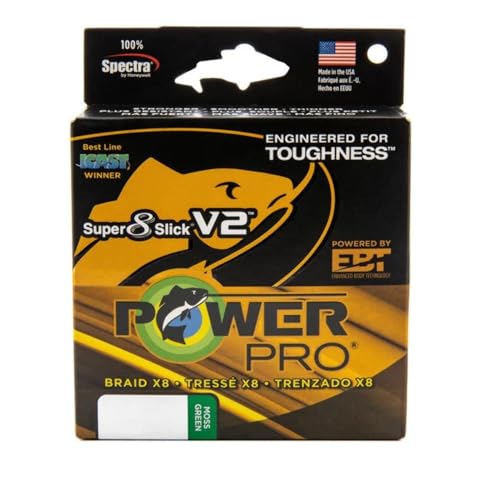
PowerPro Super 8 Slick V2 Braid — 20 lb
The 8-strand construction casts farther and handles wind knots better than 4-strand braid. Zero stretch means you feel every tick of a striper picking up your bunker from 80 feet away. The standard braid choice for Bay anglers at every level.
- 8-strand weave casts farther than standard 4-strand
- Zero stretch for instant hooksets and bite detection
- Super Slick V2 coating reduces friction through guides
Best Baits for Chesapeake Bay Beginners
Peeler Crab (Blue Crab)
The number-one Bay striper bait, full stop. Soft-shell blue crabs that are mid-molt release a scent that striped bass can detect from extraordinary distances in tidal current. Available at Bay-area bait shops from spring through early fall. Hook through the body with a 4/0–5/0 circle hook. This is the bait when you're serious about stripers.
Bloodworms
The spring striper and perch staple on the northern Bay and tributaries. Expensive — typically $3–6 per worm — but extremely effective when fish are locked onto natural forage. Hook through the head and let the tail wiggle freely in current. Best from March through May.
Bunker (Menhaden)
Cut bunker is the most reliable large-fish bait in the Bay system after peeler crab. Fresh menhaden chunks on a fish-finder rig, fished in current-swept areas around bridge pilings and channel edges, produce stripers, bluefish, and large catfish consistently. Use 3/0–5/0 circle hooks and let the current do the work.
Berkley Gulp! Peeler Crab — When Peelers Aren't Available

Berkley Gulp! Peeler Crab Soft Bait
The artificial version of the Bay's top striper bait. When fresh peelers aren't in season, hard to find, or priced out of reach, Gulp! Peeler Crab delivers the same scent dispersion in a ready-to-fish soft plastic format. A practical backup that belongs in every Bay angler's bag.
- Mimics the scent profile of real peeler crab
- Available year-round unlike real peelers
- Works on a circle hook or jig head presentation
- Biodegradable formula
Live Spot or Croaker
Trophy stripers prefer live spot above almost any other bait in the Bay system. Catch them first on a sabiki rig off a pier or buy them at the bait shop, then fish them under a float near bridge pilings or channel structure. Use a 3/0–4/0 circle hook through the back, just above the spine.
Shore Fishing Access Around the Chesapeake Bay
The Bay has more free and low-cost public access than most anglers realize. These are the most accessible and consistently productive shore spots:
Maryland
- Sandy Point State Park (Annapolis, MD): Sandy beach with pier access and a boat ramp. Excellent for spot, croaker, bluefish, and fall striper runs. Entrance fee applies during peak season.
- Chesapeake Beach (MD): Town pier and shoreline access, good for spot and croaker all summer and occasional stripers in fall.
- Bay Bridge approach area (MD): Productive striper territory from shore during spring and fall migrations.
Virginia
- Fort Monroe National Monument (Hampton, VA): Historic fort with excellent Bay shoreline access along a seawall. Free, open year-round, and consistently productive for mixed species.
- First Landing State Park (Virginia Beach, VA): Saltwater shore fishing at the Bay mouth — redfish, flounder, and speckled trout June through October.
Access hours and parking: Always check park access hours and parking availability before your trip — several popular Bay access points have limited spaces that fill early on summer weekends. State park websites post current access rules and any seasonal closures.
Bridge and Pier Fishing on the Bay
Bridge pilings create some of the best fish habitat in the entire Bay system. The structure attracts baitfish, which attracts predators — and bridges are accessible to shore anglers who can't afford a boat.
- Matapeake Pier (Stevensville, MD): Free pier on the Eastern Shore side of the Bay Bridge. One of the most productive public piers in the Bay system for stripers during the spring and fall runs. Get there early during peak season.
- Elk Neck State Park Pier (North East, MD): Excellent year-round access on the upper Bay — good for perch in winter and spring, mixed species in summer.
- Buckroe Beach Pier (Hampton, VA): Public fishing pier in the lower Bay area, accessible and productive for multiple species.
Simple Rigs for Bay Shore Fishing
Fish-Finder Rig (Most Useful)
This is the rig that handles 80% of Bay shore and pier fishing situations. Thread a 1–2 oz egg sinker on your mainline above a barrel swivel. Tie on 24" of 25 lb fluorocarbon. Add a 3/0–4/0 circle hook. Bait with peeler crab or cut bunker and let it soak in current near structure.
Hi-Lo Rig (Spot and Croaker)
A two-hook bottom rig that presents baits at two different heights off the bottom. Use size 1–1/0 hooks on both droppers with pieces of bloodworm, fresh shrimp, or squid. This rig catches spot and croaker consistently all summer and is the simplest possible setup for catching fish on the Bay.
What to Expect as a Beginner
The Chesapeake Bay has a learning curve, but it's one of the most rewarding places to develop as an angler. Here's a realistic picture of what to expect:
- Start with spot and croaker in summer: These fish are forgiving, abundant, and will teach you to read tides, manage bait, and understand simple rigs without requiring perfect presentation.
- Your first striper may take several trips: Stripers demand understanding of tidal timing, current, and bait placement. Learn the patterns through smaller fish first, then apply that knowledge when you target rockfish.
- The Bay is enormous: Don't assume there are no fish if one spot doesn't produce. Tidal movement and bait position change daily. Try different spots, ask local anglers, and check local fishing reports before writing off a location.
- Regulations matter: The Bay is a managed fishery — size limits and seasons exist because they work. Know the current slot sizes for stripers before every trip. Checking the MD DNR or VA DGIF site takes two minutes and keeps the fishery healthy.


